
-
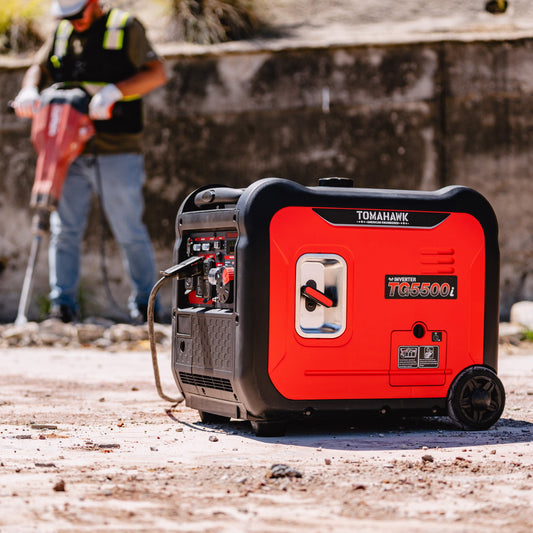
Tomahawk TG5500i 5500W Inverter Generator | E-Moto Charging, 120V/240V & Backup Power
Regular price $1,899.99Regular priceUnit price per -
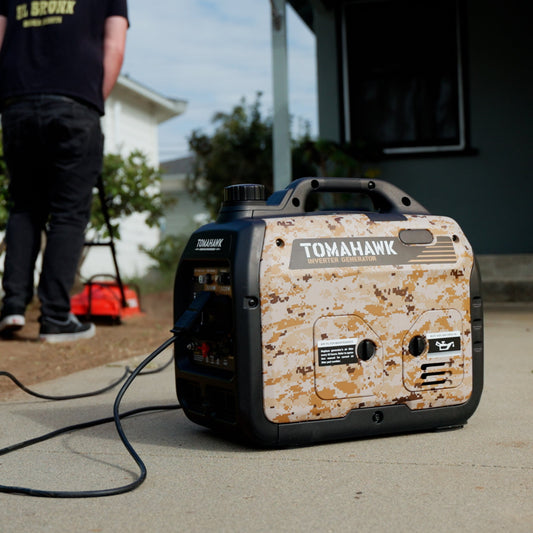
Tomahawk TG3000i-BRV 3000W Camo Inverter Generator | E-Moto Charging & Backup Power
Regular price $989.99Regular priceUnit price per -
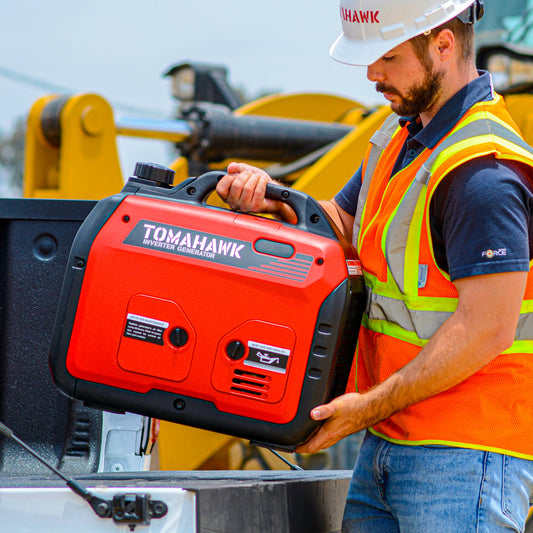
Tomahawk TG2000i 2100W Inverter Generator | Super quiet E-Moto Charging, Camping & Backup Power
Regular price $899.99Regular priceUnit price per -
Tomahawk TG12000iT 12000W Tri-Fuel Inverter Generator | E-Moto Charging, Home Backup & 120V/240V Power
Regular price $4,499.99Regular priceUnit price per -
Tomahawk TG3000i 3000W Inverter Generator | Super Quiet E-Moto Charging, & Backup Power
Regular price $1,099.99Regular priceUnit price per -
Tomahawk TG9000i 10500W Inverter Generator | E-Moto Charging, 120V/240V & Backup Power
Regular price $3,999.99Regular priceUnit price per -
Tomahawk TG4500iEFI 4500W EFI Inverter Generator | E-Moto Charging & Backup Power
Regular price $1,599.99Regular priceUnit price per





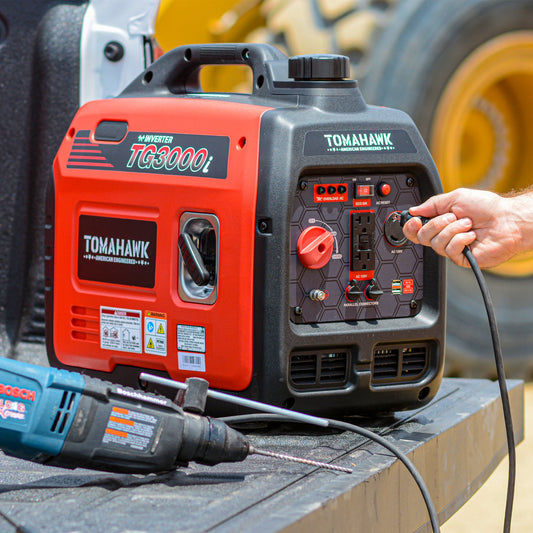

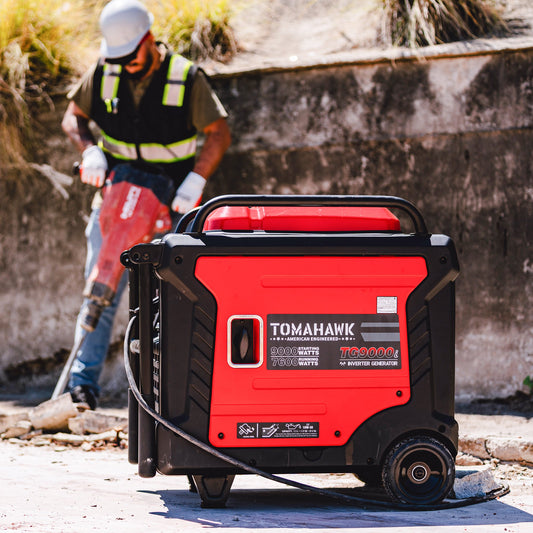

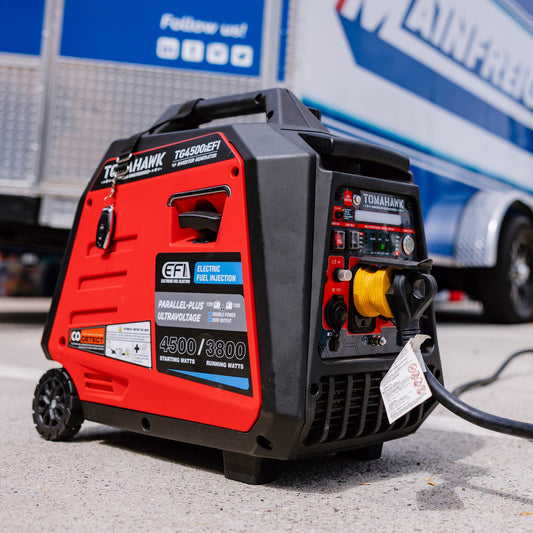
Portable Generators | E-Moto Charging, Camping, Track & Backup Power
Reliable Portable Power Wherever You Ride, Work or Camp
A good portable generator gives you the freedom to bring dependable AC power somewhere an outlet simply isn't available. Whether you're charging an electric dirt bike at the track, setting up camp for the weekend, running tools at a remote jobsite, or preparing for an unexpected power outage, REV Rides carries generators built for portable and off-grid power.
For our riders, generators are especially useful because they solve one of the biggest limitations of riding an e-moto, electric dirt bike, e-bike, or other electric powersports vehicle away from home: finding somewhere to plug in. Bring the right generator and you can run a compatible charger right from the pits, campsite, trailer, or remote riding area.
What Size Generator Do I Need to Charge My E-Moto?
This is one of the most common questions, and the answer is easier than you might think. Size the generator based on your charger's power requirements, not the motor rating of your bike.
A 20kW e-moto does not require a 20,000W generator. Your bike's motor output and the amount of electricity its charger pulls from a wall outlet are two completely different things.
A good starting point is:
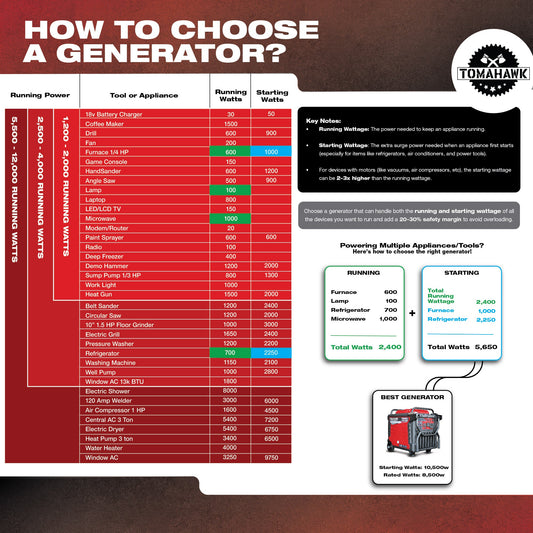
Charger Watts + Other Equipment + 20–30% Headroom = Recommended Generator Size
For example, if your charger requires 1,000W and you want another 300W available for lights, electronics, tools, or other equipment, your expected load is 1,300W. Add approximately 25% headroom and we'd look for a generator capable of providing around 1,600W or more of continuous running output.
That extra headroom is important. You don't want to size a generator so tightly that it's operating at or near its maximum capability every time you plug the bike in.
Running Watts vs. Starting Watts
When comparing generators, pay attention to the difference between running watts and starting watts.
Running or rated watts are what the generator is designed to continuously provide. This is the number we care about most when sizing a generator for an e-moto charger.
Starting or surge watts are additional power available for a short period to help equipment with high startup demands. Don't buy a generator for a 3,000W continuous load just because the generator advertises 3,000 starting watts. Check its actual rated or running output.
Why We Like Inverter Generators for E-Moto Charging
When possible, we generally prefer a quality inverter generator for e-moto charging and sensitive electronics. Inverter generators are designed to provide cleaner, more stable electrical output while also offering advantages such as quieter operation and improved efficiency on many models.
That's useful when your setup includes more than a bike charger. Modern riding trips usually involve phones, laptops, cameras, communication equipment, battery chargers, speakers, and plenty of other electronics.
Always verify the electrical requirements of your specific charger and equipment before connecting it to any generator.
Charging Multiple E-Motos
If you're trying to charge multiple bikes at once, add together the AC power requirements of every charger you plan to operate simultaneously.
For example, two chargers drawing 1,500W each require approximately 3,000W of continuous generator output before you account for anything else.
If you also want to run 500W worth of lights, tools, electronics, or camping equipment, your expected continuous load is now around 3,500W. Add reasonable headroom when selecting the generator rather than buying something rated right at your calculated load.
This is where a larger generator starts making a lot of sense for riding groups, race teams, families with multiple bikes, or anyone spending an entire weekend at the track.
More Than Just Charging the Bike
A generator doesn't have to spend the entire weekend connected to your e-moto. Once you have portable AC power available, there are plenty of other things you can run around the track, campsite, trailer, or property.
- E-moto and electric dirt bike chargers
- E-bike chargers
- Tool battery chargers and compatible power tools
- Portable refrigerators and coolers
- Camp and pit lighting
- Phones and tablets
- Laptops and computers
- Cameras and action-camera batteries
- Fans and other compatible appliances
- Speakers and entertainment equipment
- Food truck and mobile equipment
- Emergency household equipment
Generators for Track Days & Race Weekends
This is one of our favorite uses for a portable generator. If you're spending an entire day or weekend riding, having your own power means you're no longer depending on the facility to have an available outlet in the right place.
Set up your generator near the pits and you can recharge compatible e-motos between sessions while also keeping tool batteries, phones, cameras, lights, refrigerators, and the rest of your equipment running.
For multiple bikes or higher-output chargers, look toward the larger generators in this collection. For a single lower-wattage charger and a few accessories, a smaller inverter generator may be all you need.
Generators for Camping & Off-Grid Riding
A generator can turn a remote riding area into your own charging station. Bring enough fuel and you have a way to replenish your bike without needing grid electricity or carrying an enormous battery bank.
It's also useful after the bikes are parked. Run compatible campsite lighting, refrigerators, electronics, tools, fans, and other equipment from the same generator.
If you're sizing a generator for camping, don't calculate only the bike charger. Think about everything you may want to operate at the same time and add those loads together.
Generators for Emergency Backup Power
A portable generator can also provide valuable backup power when utility service goes down. Depending on the generator's rated output and available connections, it may be able to operate compatible refrigerators, freezers, lights, electronics, pumps, tools, and other essential equipment.
Some larger generators offer both 120V and 240V output, but always verify the requirements of the equipment you're connecting. Never connect a 120V-only e-moto charger or appliance to a 240V output.
For home backup applications, use appropriate transfer equipment and follow applicable electrical requirements. Never attempt to power a home by backfeeding a generator through a standard wall outlet.
Can a Generator Charge an Electric Car?
Some larger generators may be capable of providing emergency charging for compatible electric vehicles, but EV charging has additional electrical, grounding, voltage, and charging-equipment requirements.
Generator output alone does not guarantee that a Tesla or another EV will accept power from it. Always verify compatibility with the vehicle, EVSE, generator, and required electrical configuration before attempting EV charging.
Generator or Portable Power Station?
Both are useful, but they solve the problem differently.
A fuel-powered generator can continue producing electricity as long as you have fuel available. That's a major advantage for repeated e-moto charging, multi-day trips, race weekends, and remote locations where you may need a large amount of total energy.
A battery power station is quiet, produces no engine exhaust during normal operation, and can be extremely convenient for campsites, garages, RVs, residential areas, and overnight use. The tradeoff is that once its stored battery capacity is depleted, it needs to be recharged.
For some riders, the best setup is actually both. Use a generator for the high-demand e-moto chargers and keep a smaller battery power station available for phones, laptops, cameras, lights, refrigerators, Starlink, and other equipment when you don't want the generator running.
What to Look for When Buying a Generator
- Continuous Running Watts: Make sure it comfortably exceeds the continuous load you plan to operate.
- Starting Watts: Useful for equipment with higher startup demands, but don't confuse this with continuous output.
- Inverter Technology: A strong choice for e-moto chargers and sensitive electronics when available.
- 120V or 120V/240V Output: Match the generator's connections and voltage to your equipment.
- Runtime: Consider how long you need to charge or operate equipment between refueling.
- Fuel Capacity: Larger tanks can be useful for long track days, camping trips, and emergency use.
- Noise Level: Particularly important around campsites, race pits, RVs, and residential areas.
- Portability: Weight, handles, and wheel kits matter when you're regularly loading and unloading the generator.
- Safety Features: Look for features such as overload protection, low-oil shutdown, GFCI protection, surge protection, and CO detection where applicable.
Who Are Portable Generators Best For?
- E-Moto Riders & Race Teams: Bring your own charging power to tracks, riding areas, events, and race weekends without depending on available outlets.
- Camping & Off-Grid Riders: Charge compatible bikes while also powering refrigerators, lights, tools, electronics, and campsite equipment.
- Homeowners & Professionals: Keep compatible essential equipment, tools, appliances, and electronics running during outages or at remote jobsites.
Not Sure What Size Generator You Need?
Send the REV Rides team your bike model, charger wattage or charger input specifications, how many bikes you want to charge, and anything else you plan to run at the same time. We can help you calculate your expected load and narrow down the generator size that makes sense for your setup.